01
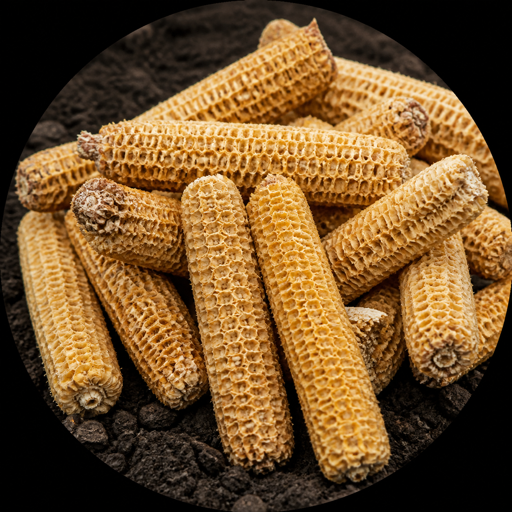
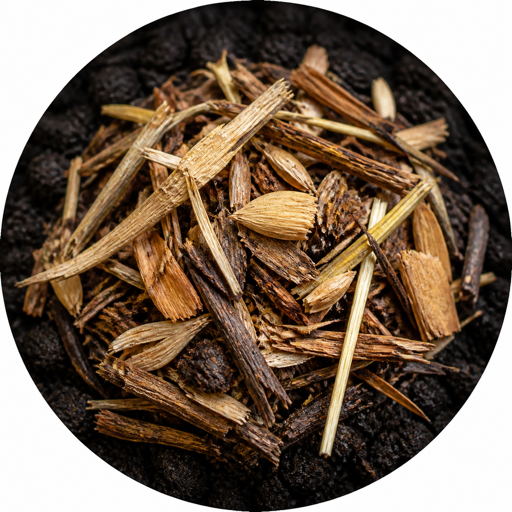
Local biomass
02 / What is biochar?
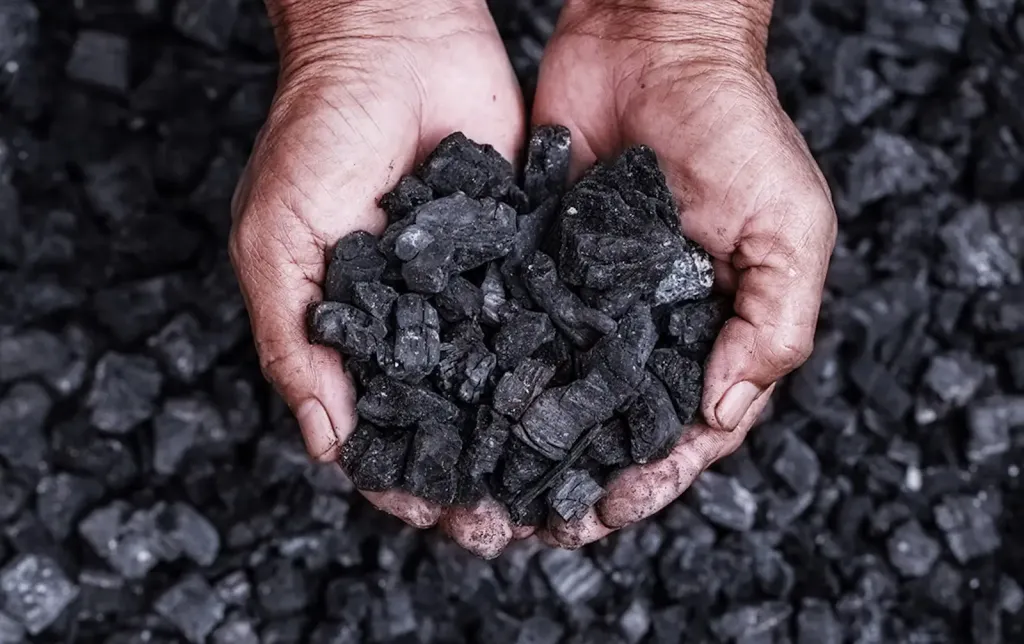
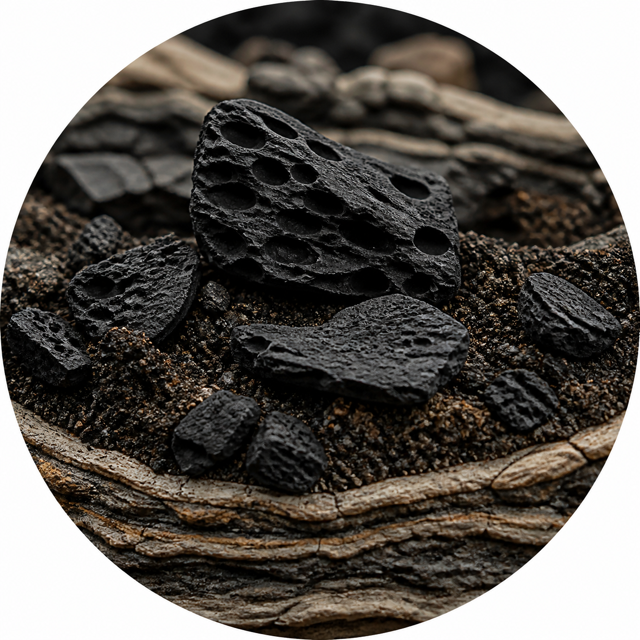
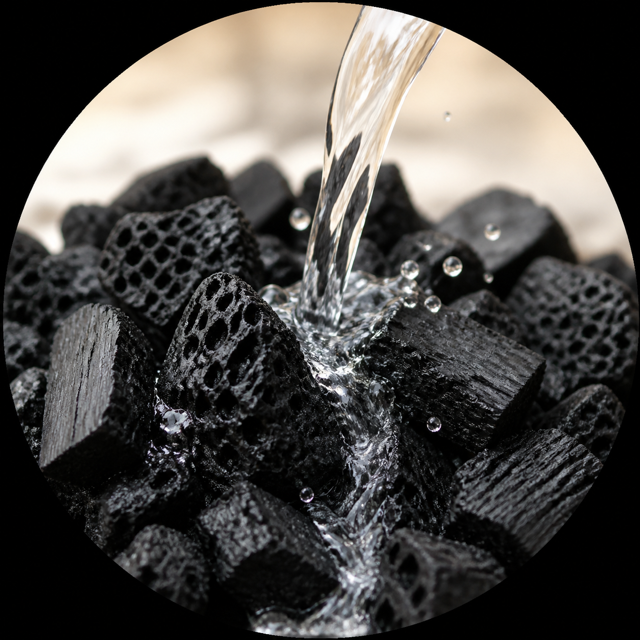
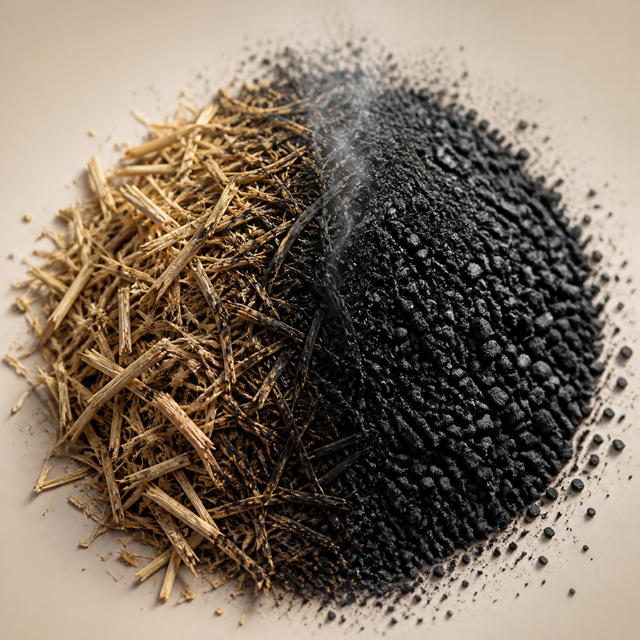
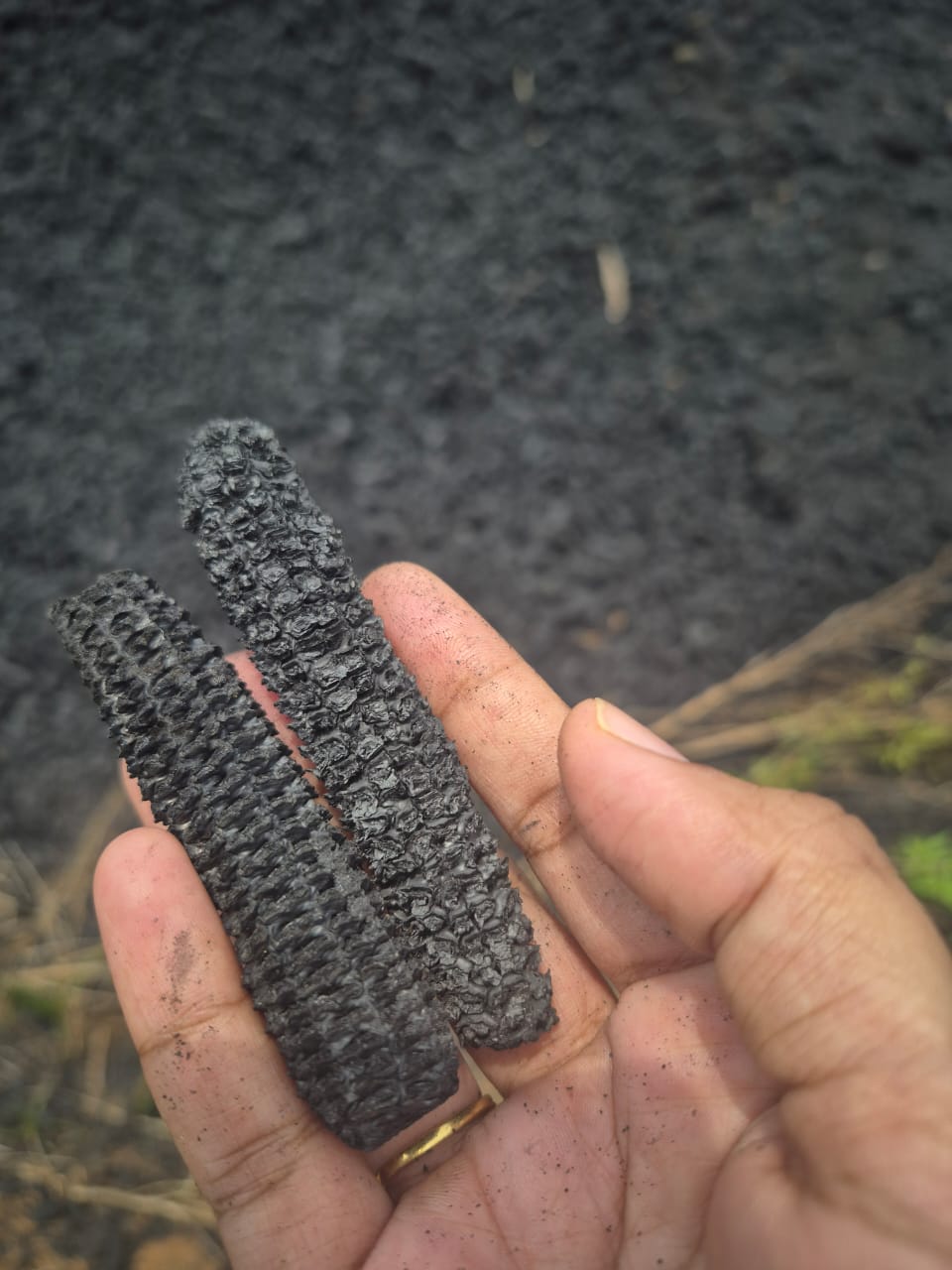
Biochar is a fine-grained, highly porous material made by heating biomass in low-oxygen conditions.
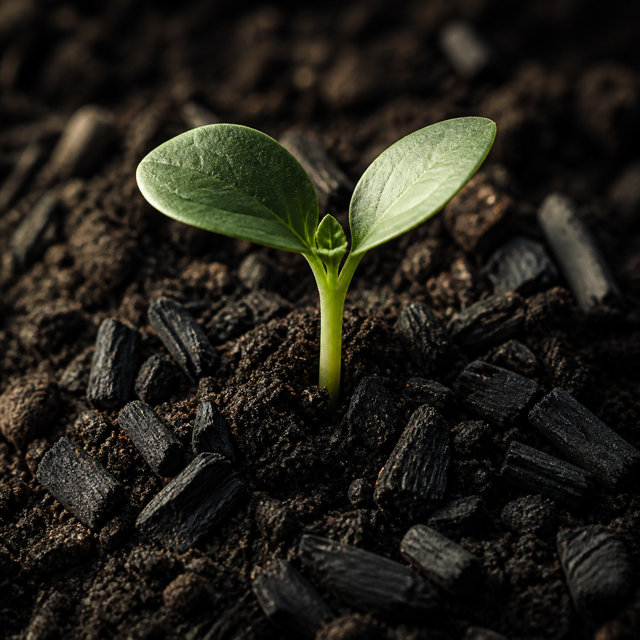
Unlike burning or natural decomposition, this process retains much of the carbon in a stable solid form. When returned to soil, biochar can persist for hundreds of years while supporting a healthier growing environment.
01 / Our direction
A different direction for carbon
Chara turns a linear waste problem into a productive journey for energy, durable carbon and soil.
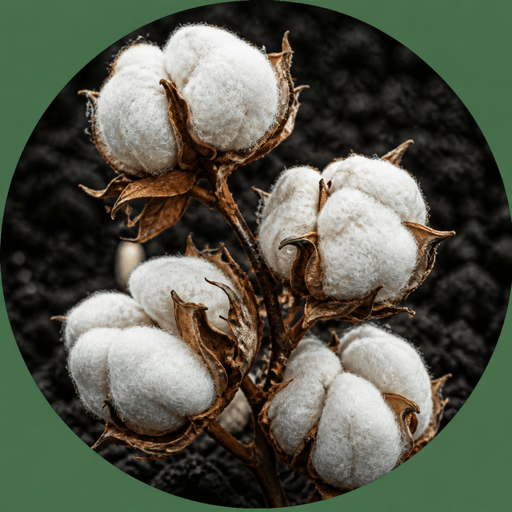
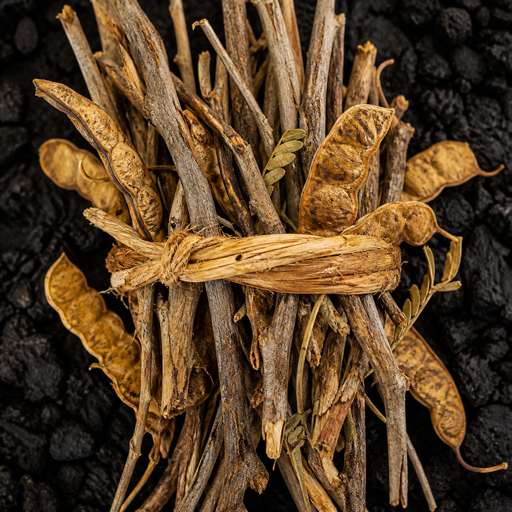
Local biomass
Low-oxygen conversion
Durable material
Return to land
Living systems
03 / How carbon stays
Biochar changes the path of biogenic carbon: from a short cycle back to the air, into a durable form that can remain in the ground.
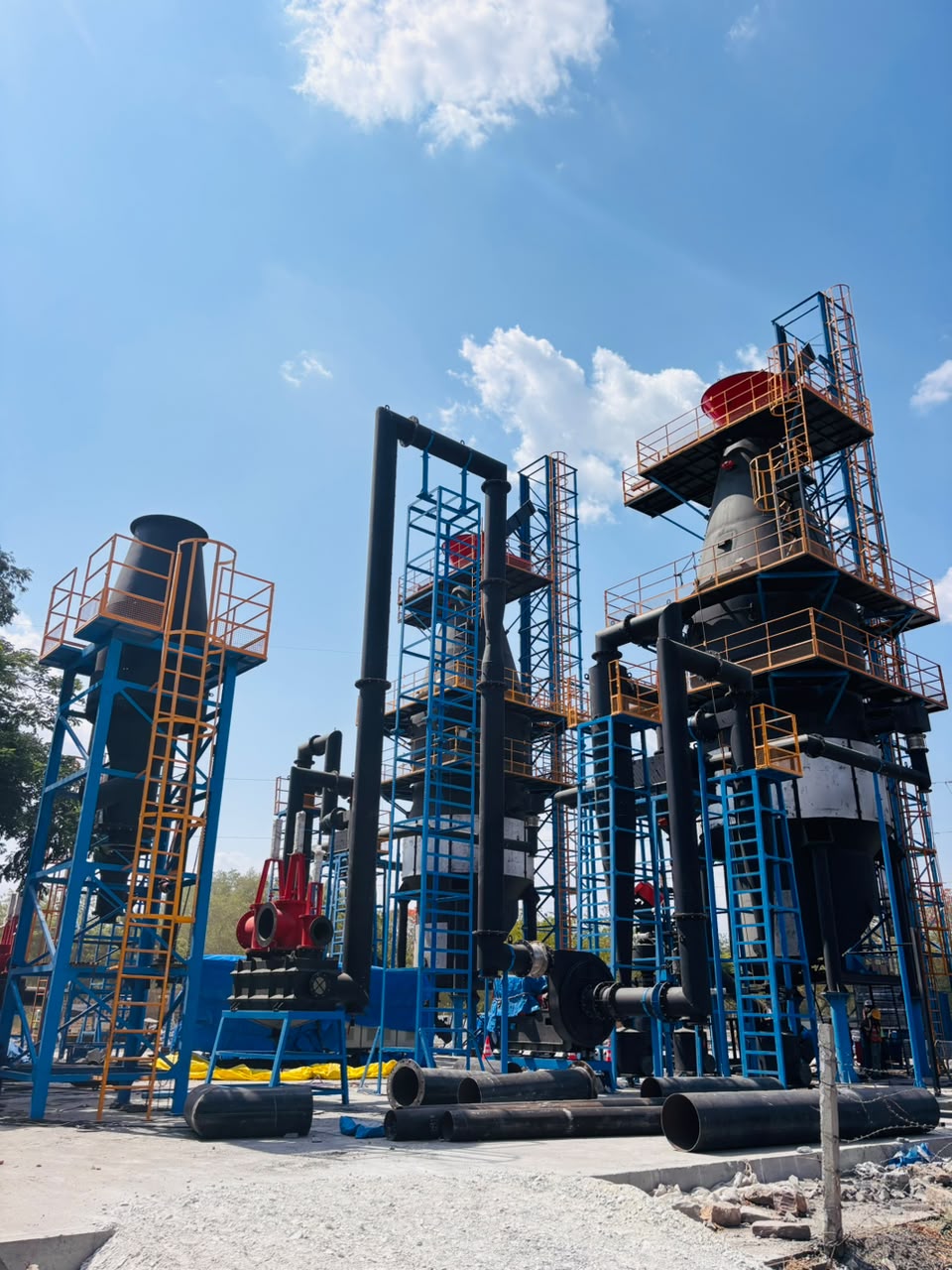
Biomass is transformed into useful energy and durable carbon.
Useful fuel for power, process heat and thermal applications.
A stable material for soil health and long-term carbon storage.
04 / Uses of biochar
One carbon-rich material can create value across soil, air, water, compost systems and the built environment.
 Biochar ecosystem
Supports soil structure, moisture retention and nutrient availability.
Keeps biogenic carbon in a stable form for long-term climate impact.
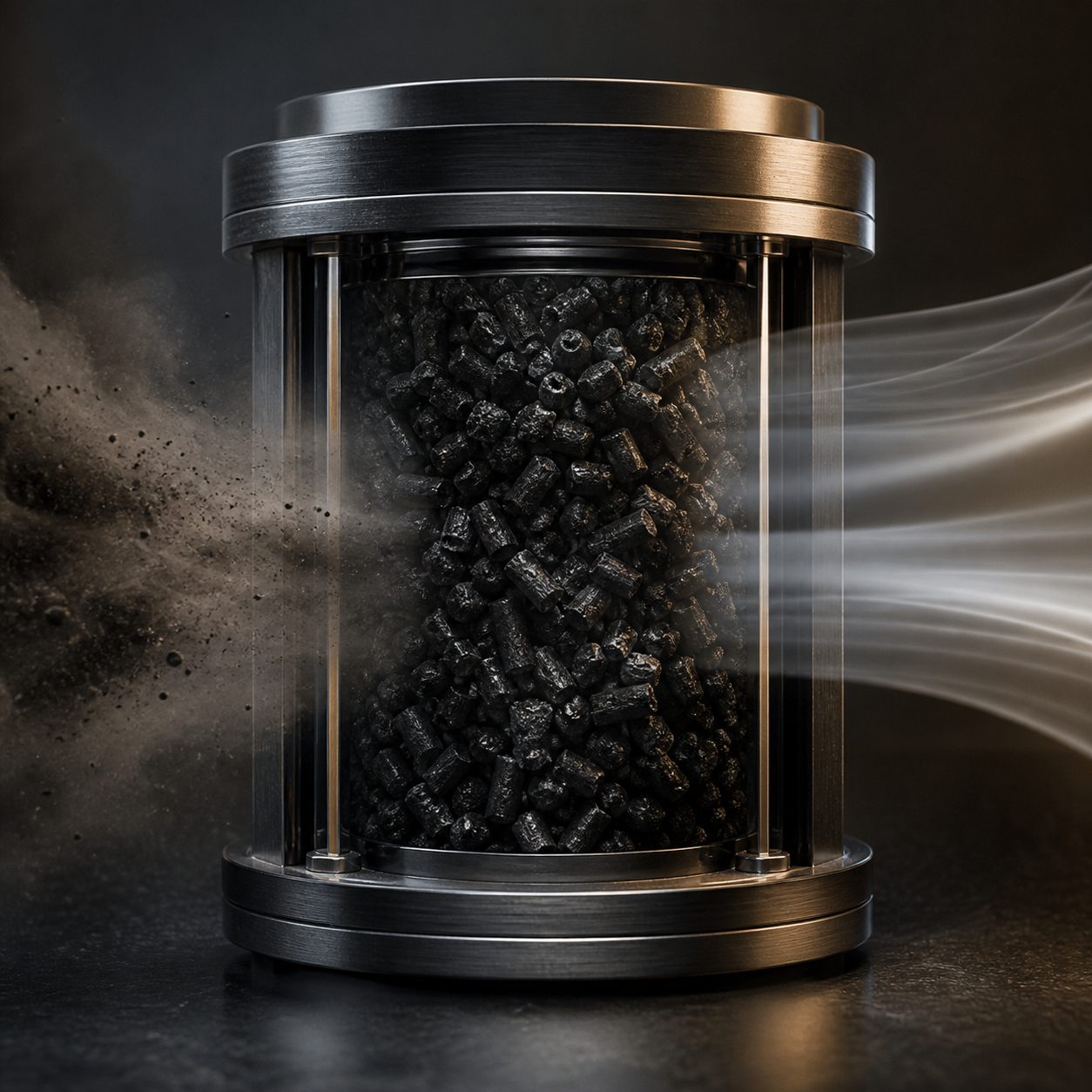
Porous biochar can adsorb selected airborne pollutants and support cleaner air systems.
Its porous structure can help filter and retain selected contaminants.
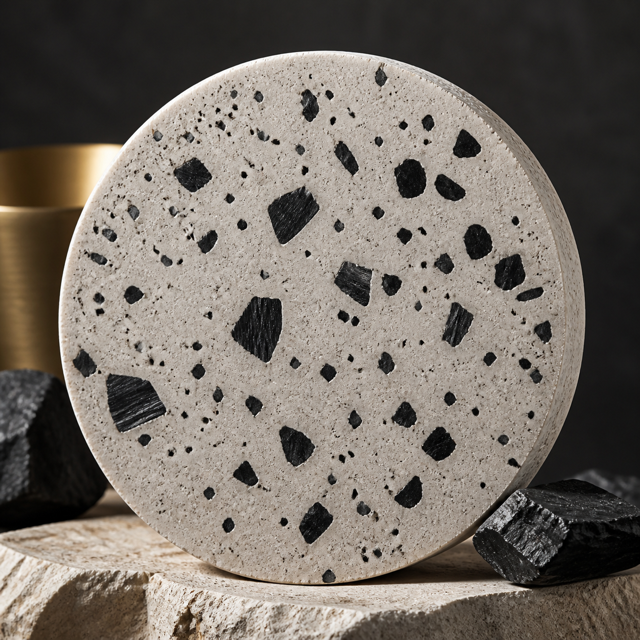
Can contribute to construction composites, functional fillers and other applications.
Can improve compost structure while helping retain moisture and valuable nutrients.
05 / Why it matters now
Turn locally available residue into a useful material and create new economic participation close to farms.
Lock carbon into a stable form and keep it out of the atmospheric cycle for the long term.
As markets move toward carbon accountability, biochar connects measurable removal with useful, physical outcomes.
06 / Chara's promise
We believe durable carbon should be visible in the material, traceable in the data and valuable on the ground.