 01 / BEFORE
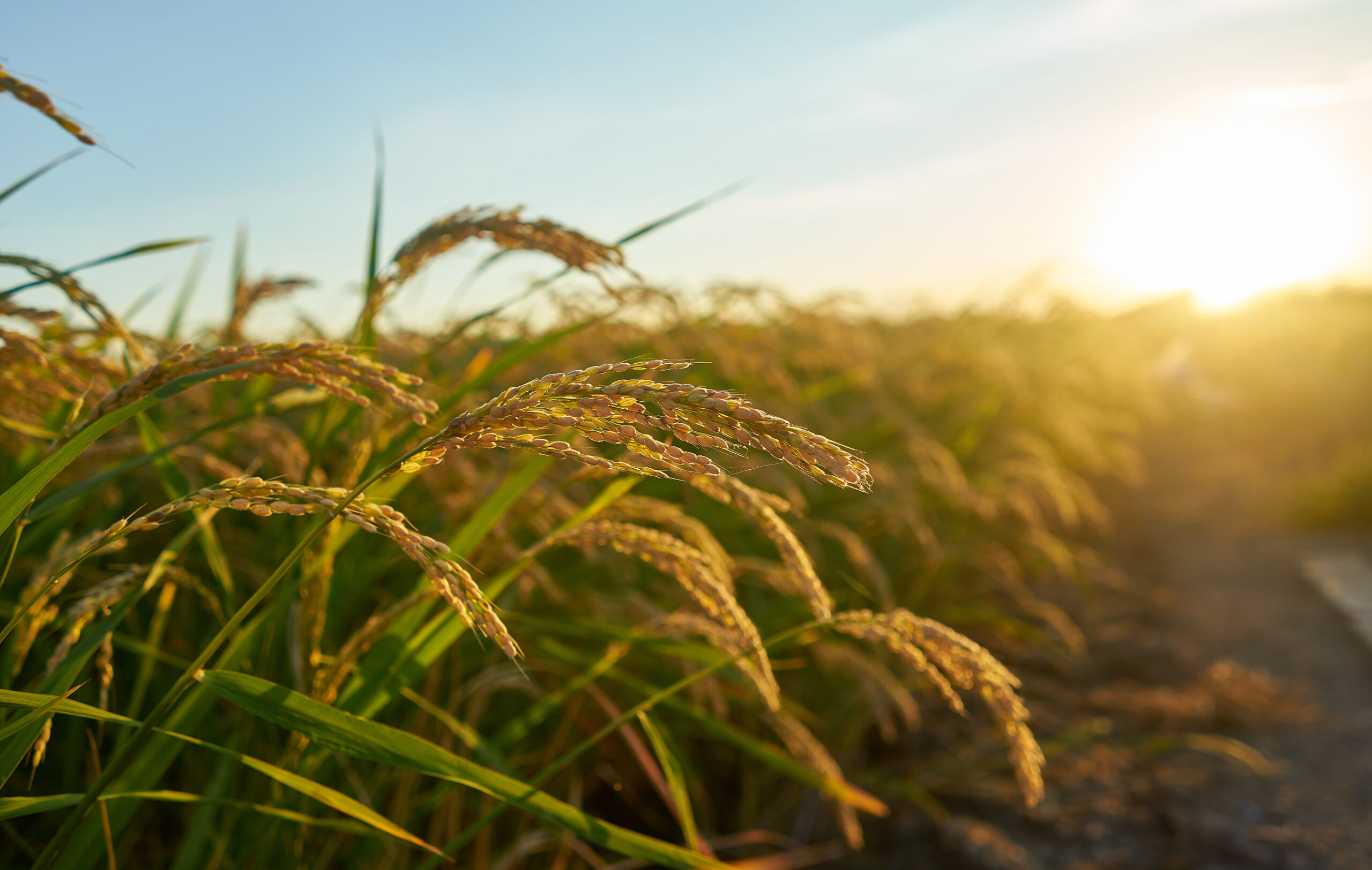
Continuous flooding
Water remains in the field, increasing methane emissions and irrigation demand.
 Let's collaborate ↗Let's collaborate ↗
CLIMATE-SMART PADDY CULTIVATION
Reducing methane and conserving water through Alternate Wetting and Drying—while strengthening yields and rural livelihoods.
THE FIELD CHANGE
Project Varri helps farmers move from continuously flooded paddy fields to carefully timed irrigation cycles that reduce methane and water use.
01 / BEFOREWater remains in the field, increasing methane emissions and irrigation demand.
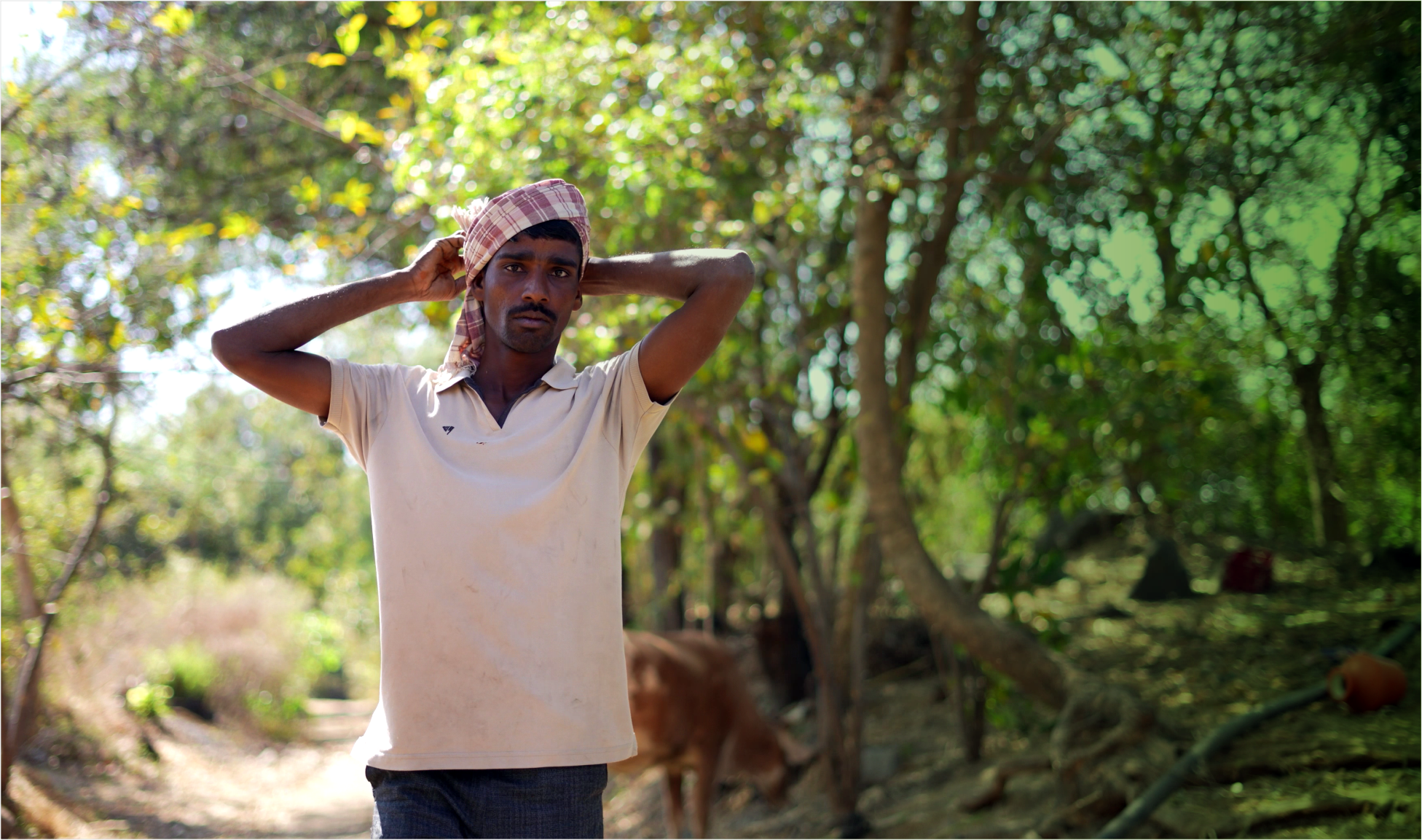 02 / AFTER
Fields are allowed to dry at planned intervals before being safely re-irrigated.
WHERE WE WORK
Seven districts, one connected program—bringing practical low-emission rice cultivation to 50,000 hectares.
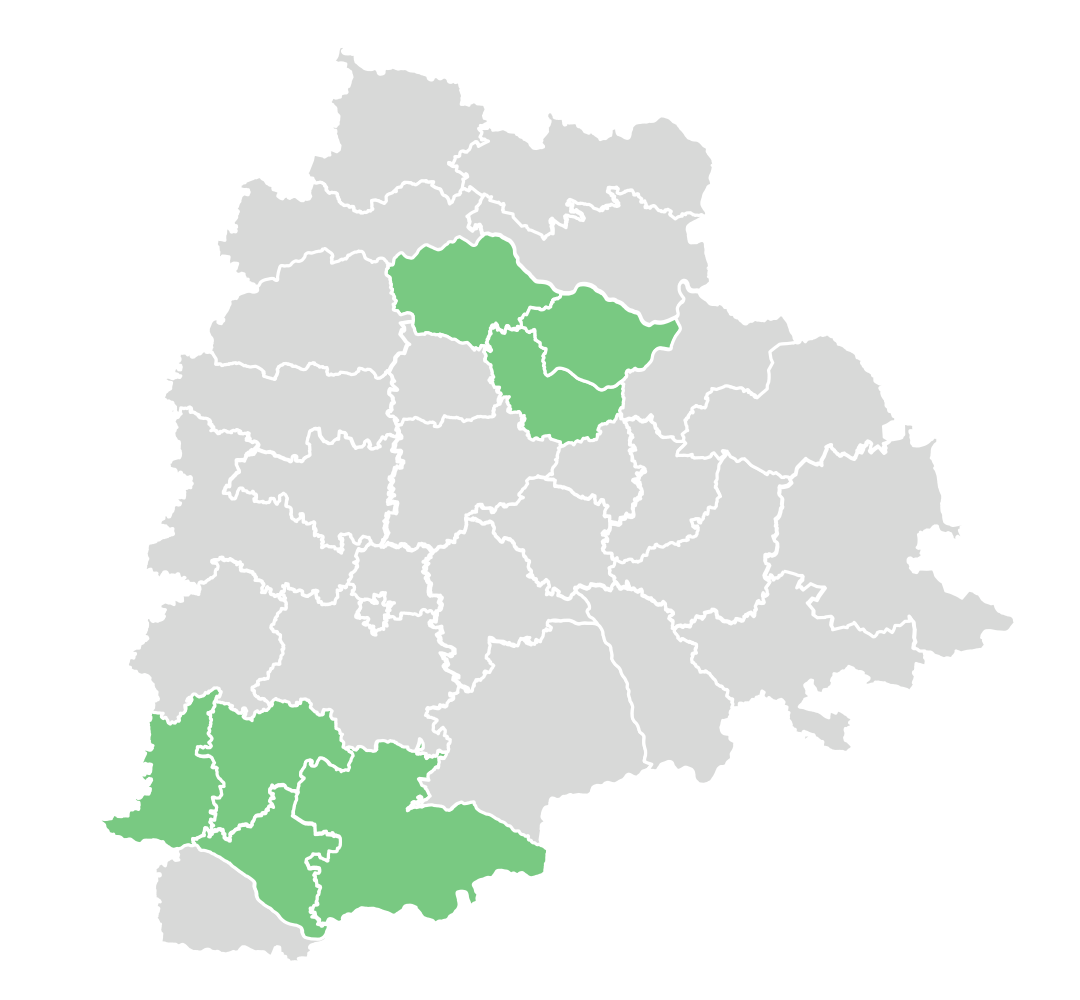 JagtialPeddapalliKarimnagarNarayanpetNagarkurnoolWanaparthyMahabubnagarTELANGANA / INDIA17.1232° N · 79.2088° EMAP DATA: ANIRUDH REDDY / WIKIMEDIA · CC BY-SA 4.0
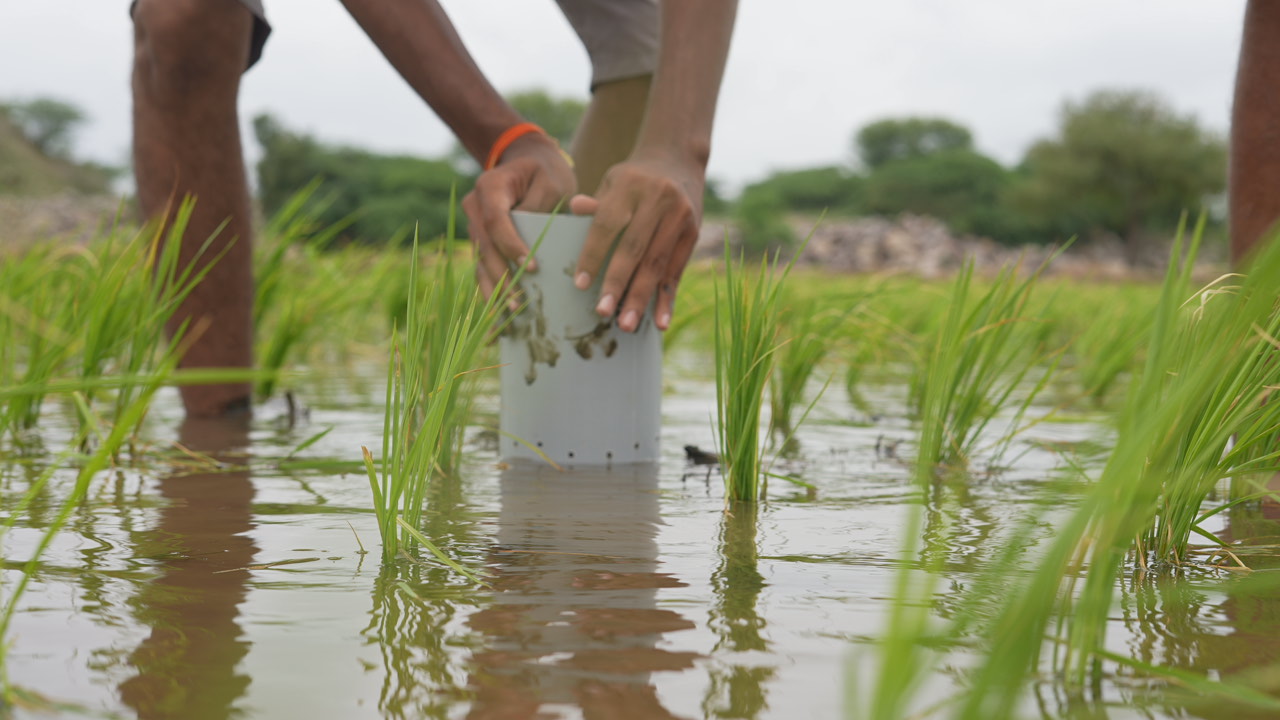 FIELD PRACTICE
OUR OBJECTIVE
Reduce methane emissions through Alternate Wetting and Drying (AWD), a proven practice that gives paddy roots time to breathe between carefully managed irrigation cycles.
IMPACT SUMMARY
Farmers
Acres of farm land
Villages
tCO₂e emission reduction per year
FROM FIELD PRACTICE TO LASTING VALUE
Back to all projects ↗