

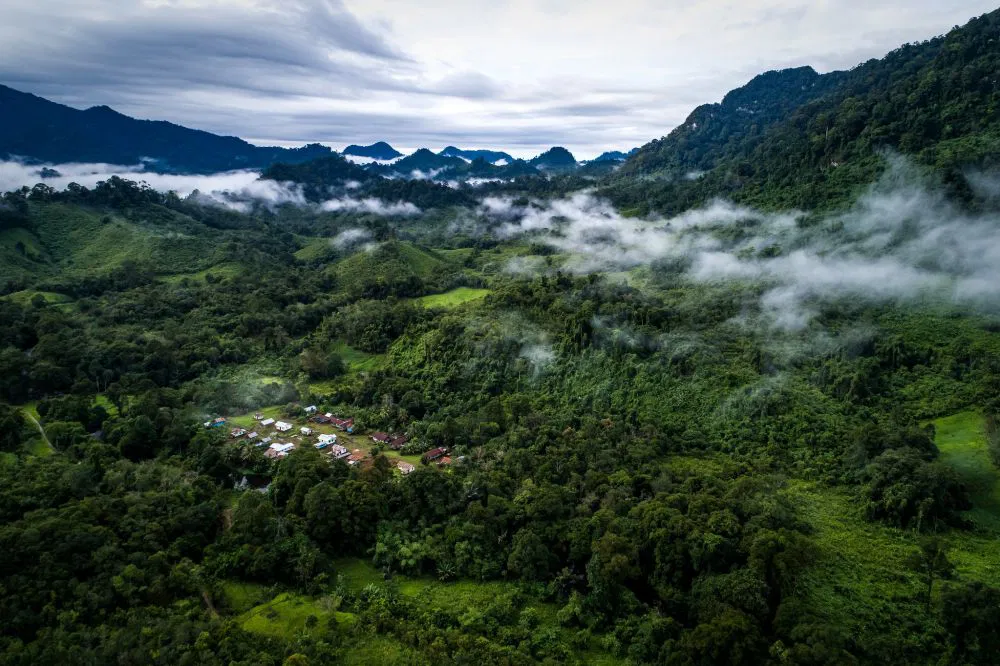
Restoration starts before planting
A thriving forest is not created by tree count alone. The work begins by understanding the land: its soil profile, rainfall, drainage, existing vegetation, nearby habitats and the needs of the people who live around it.
That baseline guides every later decision. It helps identify where restoration can strengthen ecological connections, which species can genuinely thrive and what preparation the soil needs before the first sapling goes into the ground.
Native diversity builds resilience
Locally appropriate forests combine multiple native species rather than relying on a single fast-growing tree. Canopy, sub-canopy, shrub and ground layers each play a role, creating a more complex habitat and making the forest less vulnerable to pests, disease and weather extremes.
Species selection also considers flowering and fruiting cycles, wildlife value, root behaviour and long-term canopy structure. The goal is a living system that becomes more self-sustaining over time.
Density is a tool, not the whole method
Dense planting can encourage vertical growth and faster canopy formation. Used well, it suppresses weeds, protects soil moisture and creates the cooler microclimate young forests need.
Density only works when it is paired with careful species placement, adequate soil preparation and early maintenance. A successful planting balances competition with ecological compatibility instead of treating every site with the same formula.
Soil and water make the forest
Healthy soil supports roots, fungi, microorganisms and the nutrient cycles that keep a forest productive. Restoration therefore includes improving soil structure, adding appropriate organic matter and protecting the surface from erosion.
Water is planned at landscape level. Contours, infiltration, mulching and site-specific drainage help rainfall remain useful to the forest while reducing runoff and stress during dry periods.
Measure what survives
Planting day is the beginning of the project, not its conclusion. Survival, growth, canopy closure, species diversity and soil condition need to be observed over multiple seasons.
Transparent monitoring shows where maintenance is working and where the design needs to adapt. It also shifts attention from short-term planting numbers toward the long-term ecological value the forest creates.
Communities are long-term partners
Local knowledge improves species selection, timing and stewardship. When nearby communities, landowners and field teams shape the project together, the forest is more likely to remain protected after the intensive establishment period ends.
The result is more than a fast-growing stand of trees. It is habitat, cooler local conditions, improved water retention, carbon storage and a landscape that can keep generating value for decades.